- Bite-Sized Nostalgia
- Posts
- Bite-Sized Nostalgia



If you love the weekly dose of nostalgia we deliver to your inbox every Saturday morning, spread the word! Forward this email to a friend - or better yet, shout it from the rooftops. We’d also love to hear from you! Let us know what you enjoy and what you’d like to see in future issues. As always, thank you for your support, and enjoy this week’s trip down memory lane.
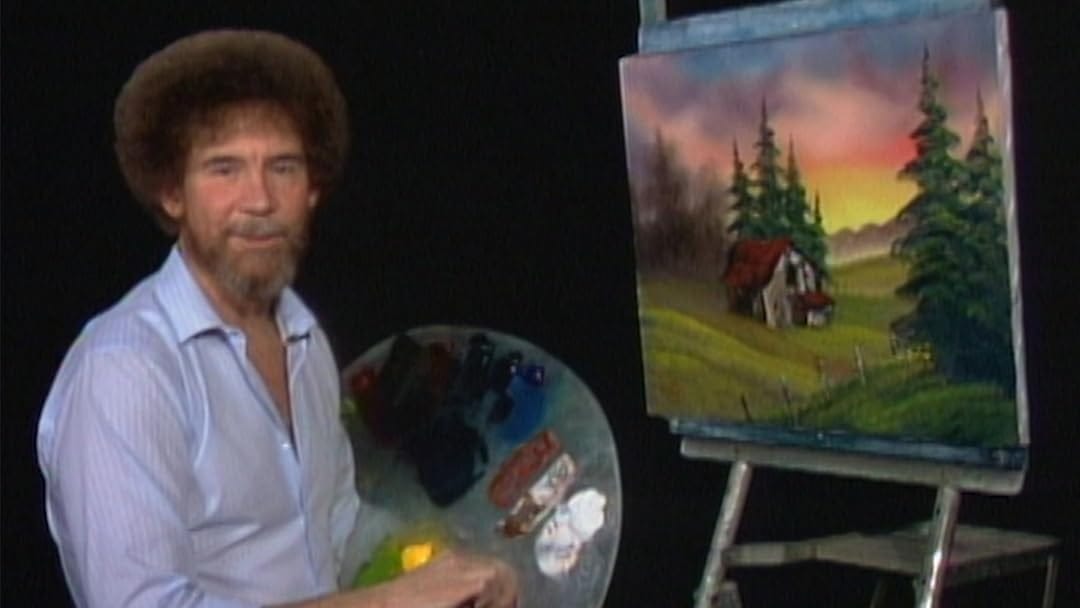
Bob Ross was the ultimate icon
On a quiet afternoon in the 1980s, while synths hummed on the radio and VCRs blinked 12:00 in living rooms across America, Bob Ross invited everyone to slow down.
With a gentle smile, a soft voice, and that unmistakable halo of curls, he stepped up to the easel on The Joy of Painting like an old friend dropping by. No rush. No pressure. Just a blank canvas and 30 peaceful minutes. As cable channels multiplied and the decade sped up, Bob did the opposite—he whispered.
“Let’s just put a happy little tree right here,” he’d say, and suddenly viewers who’d never held a brush felt brave enough to try. Mistakes weren’t mistakes; they were “happy accidents.” Mountains appeared with a single knife swipe. Clouds floated in with a tap-tap-tap. Even if you never painted along, you felt calmer just watching it happen.
In an era of big hair, loud commercials, and flashing neon, Bob Ross was a quiet counterculture hero. He reminded us that creativity didn’t need perfection—and that a little kindness, to yourself and your canvas, went a long way.
When the credits rolled and the music faded, you were left with more than a painting. You were left relaxed, smiling, and somehow convinced that maybe—just maybe—you could do this too.
«« Mini-Rewind ««
Jim Henson’s Fraggle Rock debuted on television in 1983 (January 10), bringing a joyful mix of music, humor, and heart to families everywhere. Running for five seasons and 96 episodes, it became a defining piece of ’80s children’s TV and one of Henson’s most timeless and beloved creations.
January 10, 1984, Wendy’s launched its legendary “Where’s the beef?” commercial, instantly capturing America’s attention with its humor and catchy question. The phrase quickly became a cultural phenomenon, sparking endless parodies and securing its place as one of the ’80s most memorable catchphrases.
On January 11, 1984, BBC Radio 1 DJ Mike Read shocked listeners by announcing he would refuse to play Frankie Goes to Hollywood’s single “Relax” due to its suggestive lyrics. Around the same time, the BBC imposed a full ban on the track, which only fueled its popularity and helped turn it into one of the decade’s most infamous and enduring pop anthems.
Dynasty premiered on ABC (January 12, 1981), kicking off a glamorous primetime soap opera that would captivate audiences for nine seasons and 220 episodes. Known for its over-the-top drama, power struggles, and iconic fashion, the show became a defining symbol of 1980s excess and television decadence.
January 12, 1990, Taylor Dayne released her soaring ballad “Love Will Lead You Back,” which quickly climbed the charts to become a #1 hit. The song’s powerful vocals and heartfelt lyrics made it an unforgettable anthem of love and hope for the new decade.
The J. Geils Band dropped their catchy hit single “Freeze-Frame,” on January 14, 1982, which quickly became a staple of ’80s rock and MTV playlists. With its infectious beat and memorable hooks, the song captured the upbeat energy of the decade and remains a classic party anthem.
January 14, 1994, Philadelphia premiered in theaters, bringing together powerhouse performances from Tom Hanks, Denzel Washington, Jason Robards, and Mary Steenburgen. The film broke new ground by tackling AIDS and discrimination head-on, earning critical acclaim and sparking important conversations that resonated deeply throughout the decade.
The Beastie Boys made history as the first act to be censored by American Bandstand, highlighting the growing tension between rebellious new music and mainstream TV. Their edgy style and bold lyrics marked a shift in popular culture that challenged traditional norms and paved the way for hip-hop’s rise.
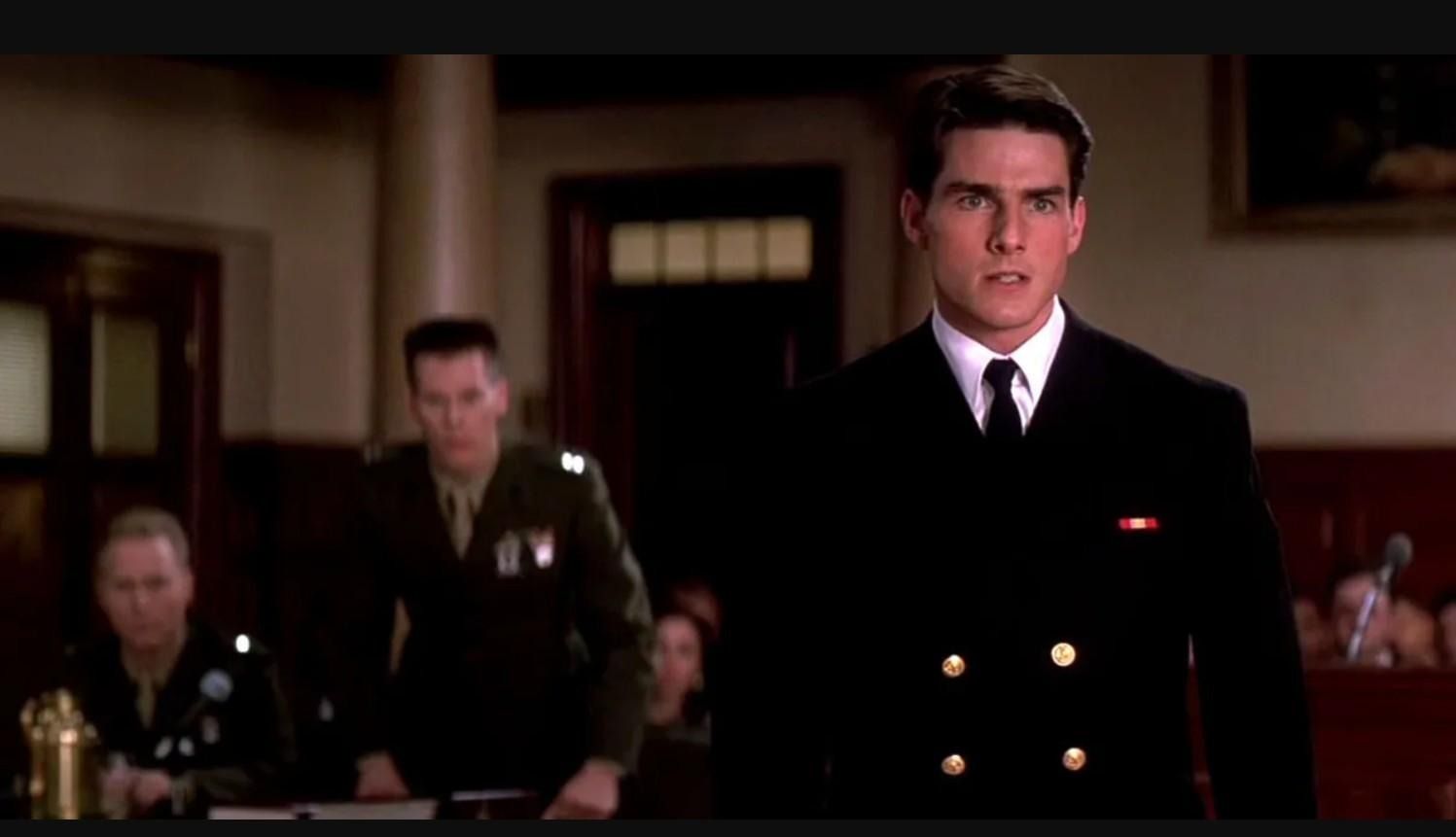
You can’t handle the truth
In the early 1990s, when movie theaters still smelled like popcorn and anticipation, A Few Good Men arrived with the force of a perfectly delivered courtroom objection.
At first glance, it looked like a military drama. But as the lights dimmed and the tension built, audiences quickly realized this was something sharper—part mystery, part moral showdown. Young Navy lawyers, played by Tom Cruise and Demi Moore, squared off against authority, tradition, and a system that didn’t like being questioned. Hovering over it all was Jack Nicholson’s Colonel Jessup, a character so commanding that every line felt like it landed with a thud.
The film built slowly, methodically, like a legal chess match. Courtroom scenes crackled with energy, drawing viewers forward in their seats. And then came that moment—the confrontation, the confession, the line that instantly burned itself into pop culture. You could feel the collective gasp ripple through theaters.
More than just a legal thriller, A Few Good Men tapped into something deeper: the idea of truth versus loyalty, rules versus conscience. It asked uncomfortable questions and trusted the audience to sit with them.
Decades later, it still holds up—not just for the performances or the dialogue, but for the reminder that standing up and speaking out can change everything.
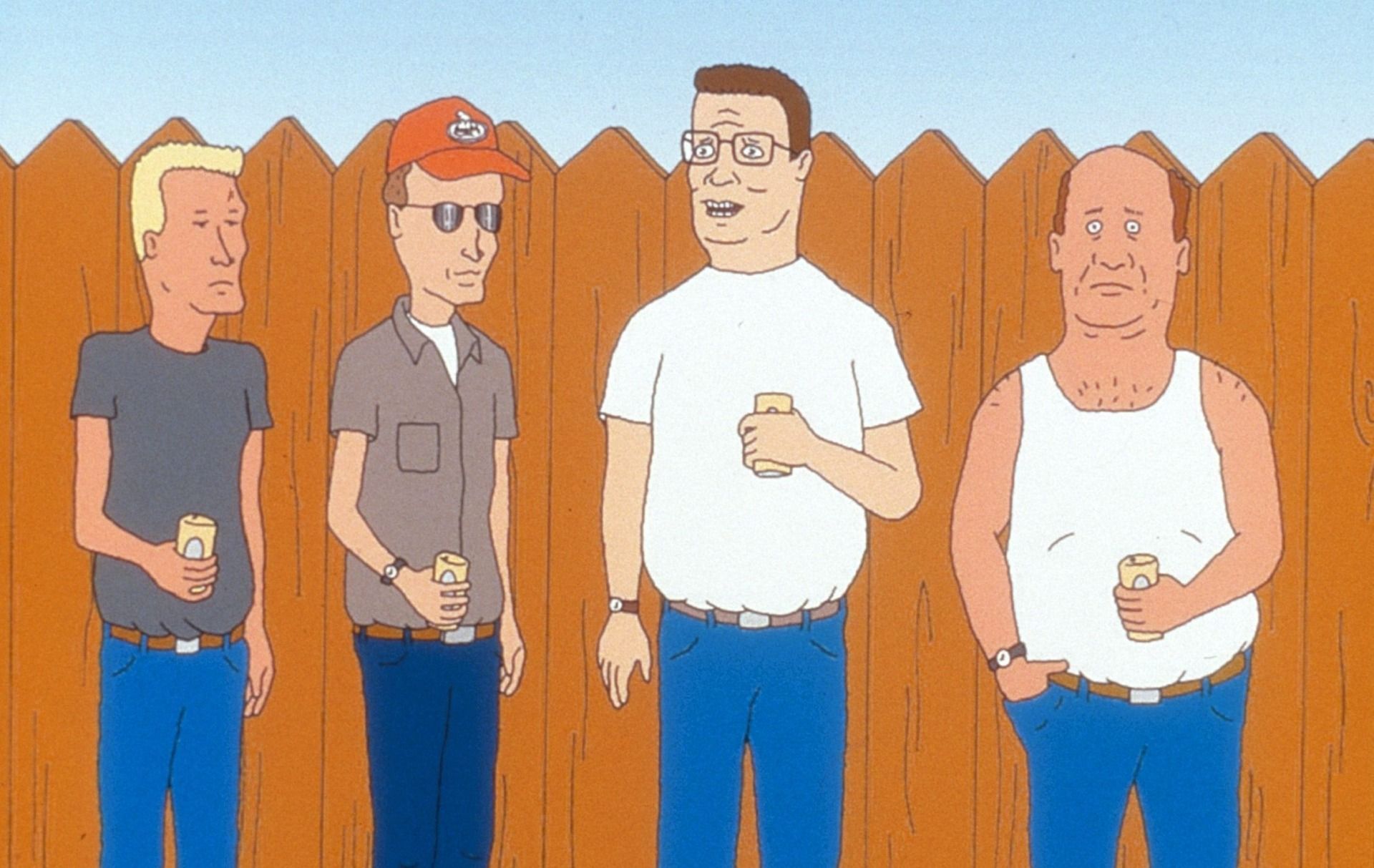
King of the Hill made for lots of laughs
Sunday night in the late 1990s, just as the weekend was winding down, King of the Hill quietly took its place on television—and somehow felt like it had always been there.
Set in the fictional town of Arlen, Texas, the show didn’t rely on zany cutaways or talking animals. Instead, it found humor in the everyday: mowing lawns, drinking beer in the alley, and debating propane with near-religious seriousness. Hank Hill, with his stiff posture and sincere devotion to “propane and propane accessories,” was the kind of character you swore you already knew. Maybe he was your neighbor. Maybe he was your dad.
What made King of the Hill special was its heart. Beneath the dry jokes and awkward pauses was a genuine affection for its characters. Bobby’s offbeat curiosity, Peggy’s unstoppable confidence, and the laid-back wisdom of Boomhauer and Dale turned small moments into lasting ones.
At a time when animated TV was getting louder and faster, King of the Hill slowed things down. It trusted silence. It trusted subtlety. And it proved that a cartoon didn’t need to shout to be funny.
Years later, it still feels comfortingly familiar—like standing in the alley at sunset, listening to friends solve life one small problem at a time.
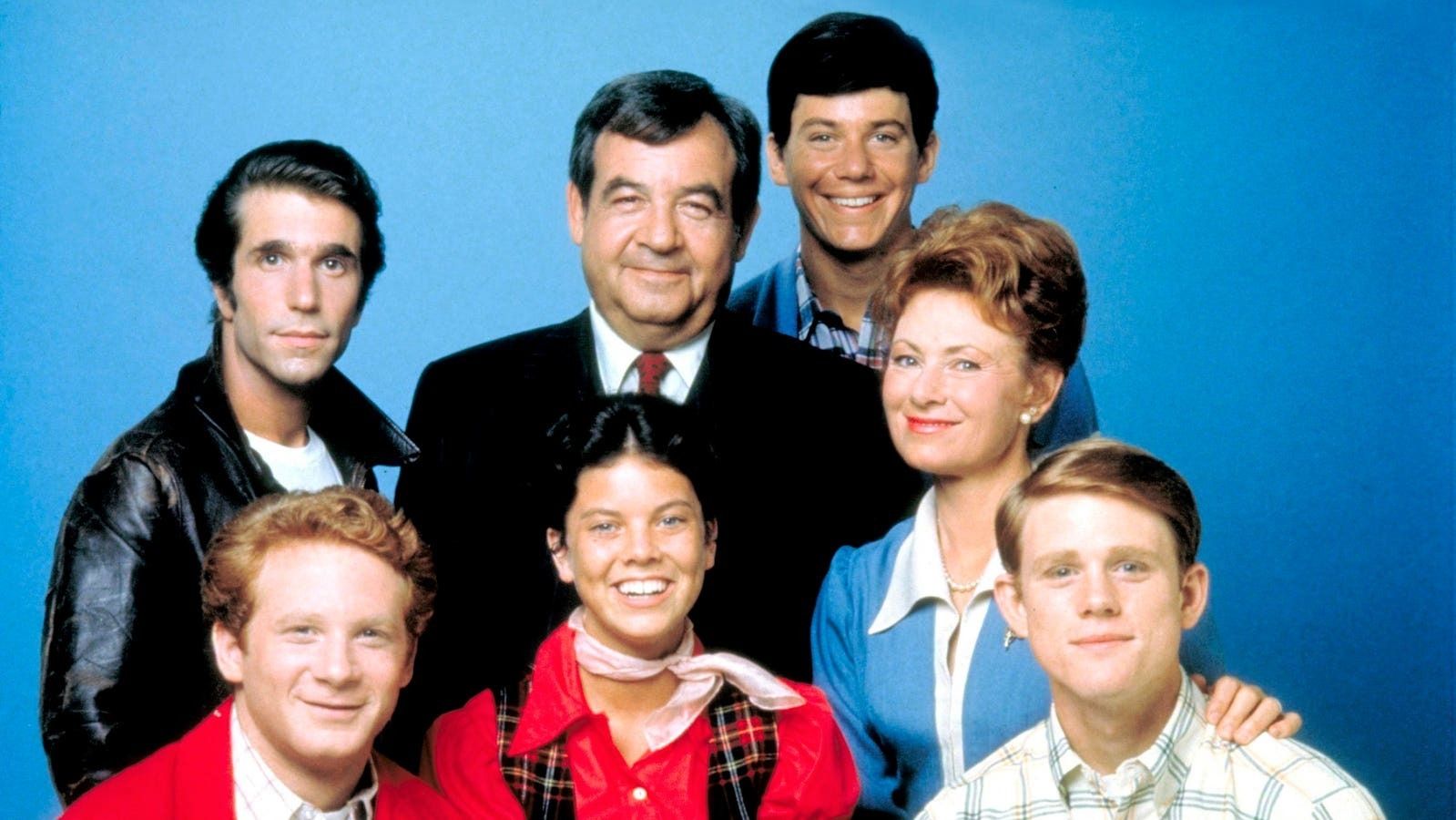
The Fonz, Richie and the gang
In the 1970s and well into the 1980s, televisions across America flickered on to Happy Days, and just like that, you were transported to a simpler time—Milwaukee, the 1950s, and a world where problems could usually be solved by the end of the episode.
At the heart of it all was the Cunningham family, steady and kind, anchoring a neighborhood that felt safe and familiar. Richie was the every teen, trying to do the right thing, while Potsie and Ralph provided loyal friendship and plenty of laughs. And then there was Fonzie. With his leather jacket, cool confidence, and signature “Ayyy,” he didn’t just steal scenes—he became a cultural icon. Somehow, the coolest guy on TV was also the one with the biggest heart.
Happy Days wasn’t just a sitcom; it was comfort food. You knew Arnold’s Drive-In would be there. You knew the jukebox would play. You knew friendship mattered. In a fast-changing world, the show offered reassurance that decency, loyalty, and family still counted.
Week after week, it made audiences laugh without being mean and nostalgic without being corny. Decades later, hearing the theme song still feels like a warm smile—proof that some days really were happy, and some shows still make them feel that way again.

Tap the image to watch this weeks Lost Hit of the ‘80s
🎧 Retro Picks of the Week
📺 T.V. Show: Hill Street Blues redefined television drama in the early 1980s by bringing a gritty, realistic look at urban policing, complete with overlapping dialogue, handheld camera work, and morally complex characters. Week after week, it showed the chaos, compassion, and human cost behind the badge, closing each episode with the unforgettable reminder: “Let’s be careful out there.”
📼 Movie: Gleaming the Cube (1989) captured late-’80s youth culture by blending skateboarding, mystery, and rebellion into a gritty Los Angeles coming-of-age story. With Christian Slater at its center and street skating pushed into the mainstream, the film became a cult favorite that helped legitimize skate culture on the big screen.
🎵 Song: “The Look” by Roxette exploded onto the charts in 1989, turning the Swedish duo into international pop superstars almost overnight. With its sleek production, mysterious lyrics, and instantly recognizable hook, the song became a defining late-’80s hit and one of the era’s most unforgettable radio staples.
🕹️ Video Game: He-Man video games of the 1980s brought the power of Eternia into living rooms, letting players battle Skeletor and his forces on systems like the Atari 2600 and later the NES. While simple by today’s standards, they captured the larger-than-life spirit of the cartoon and turned “I have the power!” into an interactive Saturday-morning fantasy.
👾 Cartoon: The Raccoons was a beloved 1980s animated series that blended gentle adventure with environmental themes, following Bert Raccoon, his friends, and their efforts to protect the Evergreen Forest. With its calm storytelling, memorable characters, and catchy theme song, the show stood out as a thoughtful, feel-good cartoon that left a lasting impression on a generation.
