- Bite-Sized Nostalgia
- Posts
- Bite-Sized Nostalgia


Remember when the best part of Saturday morning was pouring a giant bowl of cereal and catching your favorite cartoons? We’re trying to recreate that magic right here in your inbox.
If our weekly trips down memory lane bring a smile to your face or a "hey, I remember that!" to your lips, we’d be honored if you’d spread the word. Forward this email to your best friend from high school, your favorite cousin, or anyone who still misses the smell of a freshly opened pack of baseball cards.
This newsletter is a labor of love, and we want it to feel like yours. Whether you’re craving more stories about 8-bit gaming, the neon fashion of the mall, or the mixtapes that defined your summer of '88, drop us a line and let us know. Your memories are the fuel for this time machine.
Thank you for being part of our community and for keeping the spirit of the '80s alive. Now, grab a Tab or a Capri Sun, kick back, and enjoy this week's ride.
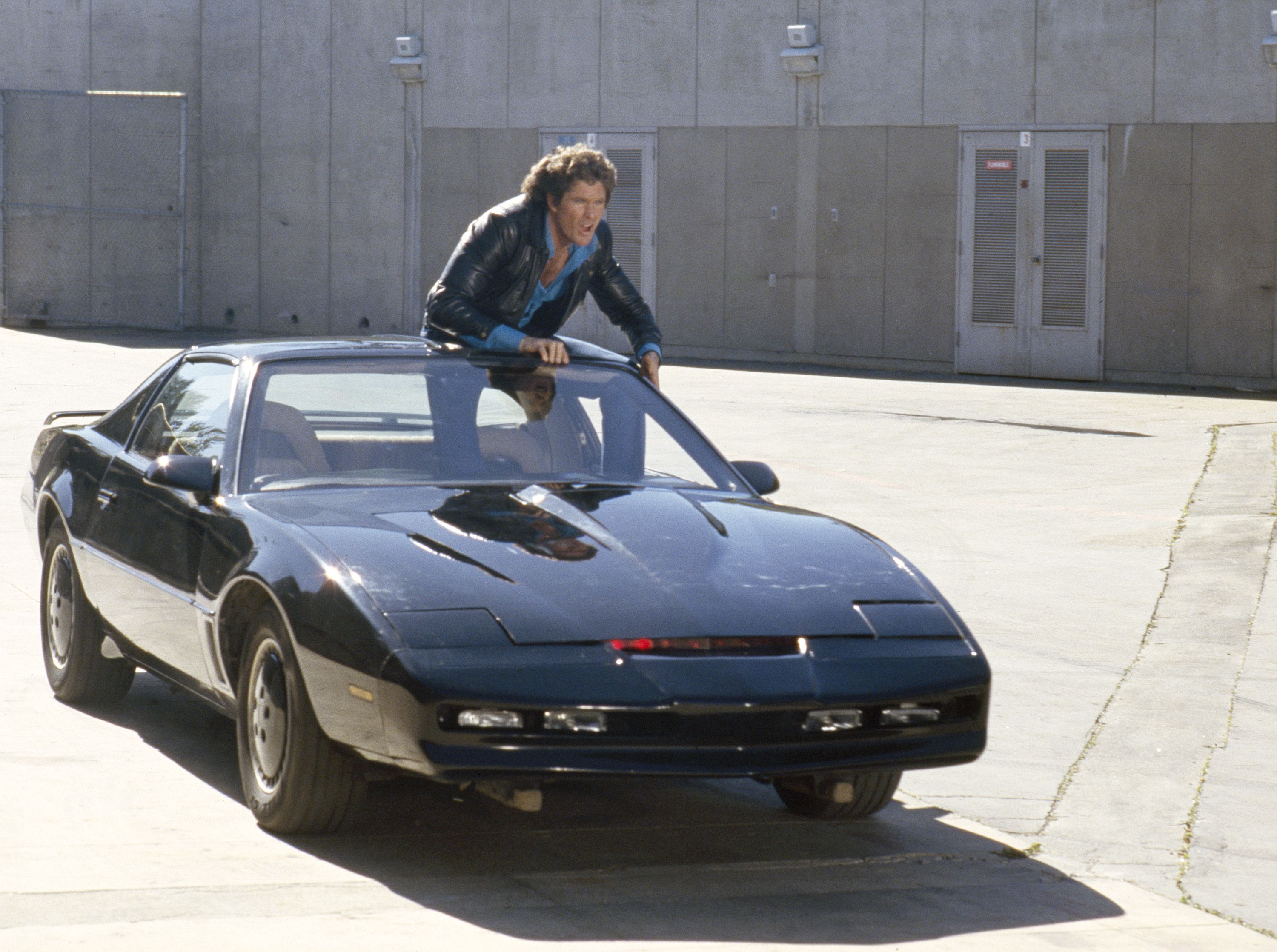
The ultimate 80s show
Long before smart assistants lived in our pockets, the future arrived in the form of a sleek, black 1982 Pontiac Trans Am. Knight Rider wasn't just a show; it was the ultimate 1980s techno-fantasy, introducing us to Michael Knight—a man who didn't exist—and his supercar partner, K.I.T.T.
With its iconic red scanner light and that pulsating synth theme song, the show turned David Hasselhoff into a global icon. But the real star was the Knight Industries Two Thousand. K.I.T.T. was the high-tech companion every kid dreamed of: he could jump over obstacles with Turbo Boost, drive himself, and crack dry, sophisticated jokes through a glowing red voice box.
The dynamic between Michael’s rugged heroism and K.I.T.T.’s logical precision created a "buddy cop" energy that felt revolutionary. It represented an era of unbridled optimism about what technology could do for us—helping one man make a difference in a "shadowy world."
Looking back, Knight Rider remains a cornerstone of 80s nostalgia. It captured a moment when the future felt fast, neon-lit, and incredibly cool. Whether he was chasing down villains or exchanging witty banter, K.I.T.T. proved that sometimes, the best friend a guy could have was a talking car.
«« This Week’s Mini-Rewind ««
1983 | Archie Bunker’s Place” aired its final episode after 97 episodes.
1986 | K.I.T.T. said goodbye as Knight Rider aired its series finale.
1989 | Bon Jovi released their hit single “I’ll Be There For You”
1987 | Married…with Children hit our screens for the first time…and it hung around for 11 season glorious season!
1984 | The NeverEnding Story was released in West Germany.
1988 | Glam rockers Poison released “Nothin’ But A Good Time”
1989 | Just a bit outside…”Major League premiered in theaters.
1993 | Another great baseball movie, “The Sandlot” hit the big screen.
1987 | Whitesnake dropped their self-titled album and the 80s rock anthem, “Here I Go Again”
1988 | Steven Seagal made his film debut in “Above the Law”
1987 | “The Secret of My Success” starring Michael J. Fox debuted in theatres.
1985 | Madonna kicked off her first tour “The Virgin Tour” in Seattle, WA.
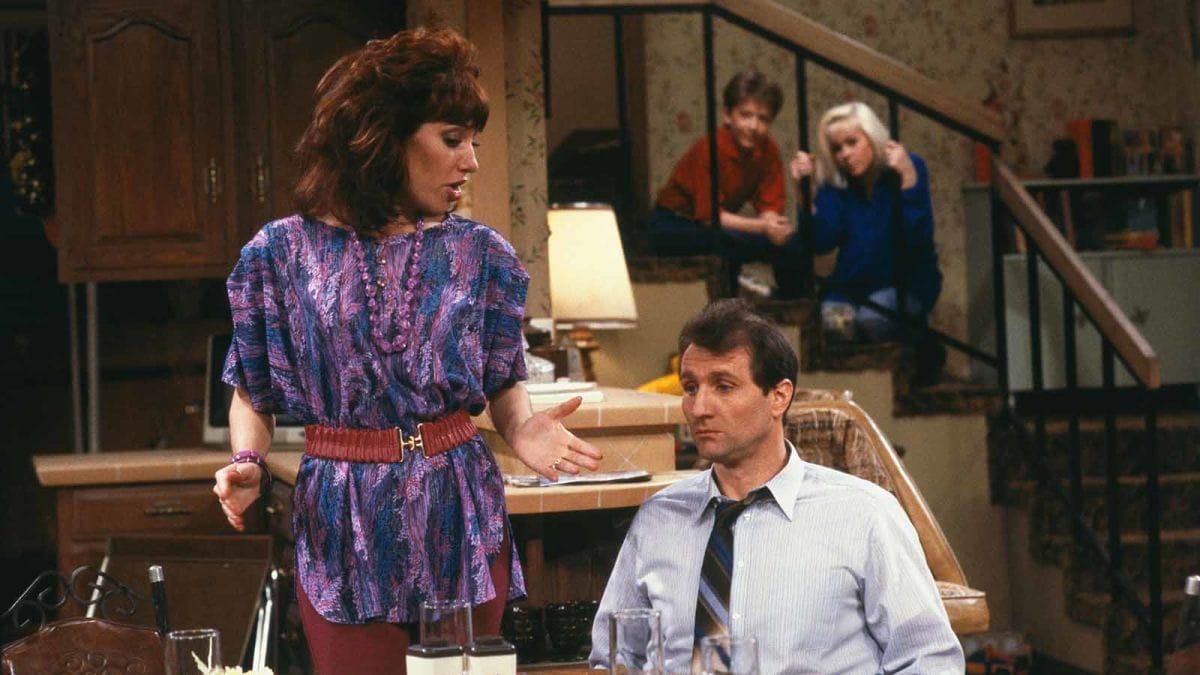
This show redefined sitcom families
While most 80s sitcoms were busy teaching moral lessons in wood-paneled living rooms, Married... with Children kicked down the front door and collapsed onto a stained brown couch. Premiering in 1987 as the flagship of the fledgling Fox network, the show introduced us to the Bundy’s—the "anti-Cosby’s" who turned the American Dream on its head.
At the center was Al Bundy, a high school football hero turned disgruntled women’s shoe salesman, forever haunted by the "four touchdowns in a single game" that represented his peak. Beside him were Peggy, with her sky-high red hair and refusal to cook; Kelly, the boy-crazy "bimbo"; and Bud, the scheming underdog. They didn't just bicker; they survived each other with a cynical, hilarious loyalty.
The show was a cultural lightning rod, sparking boycotts and "trash TV" labels, but that only fueled its popularity. It resonated because, beneath the insults and the toilet flushes, it captured a raw, blue-collar frustration that felt more honest than the polished families on other channels. To remember the Bundy’s is to remember the golden age of the TV "loser"—a reminder that even when life gives you the worst seat in the house, you can still crack a joke and change the channel.
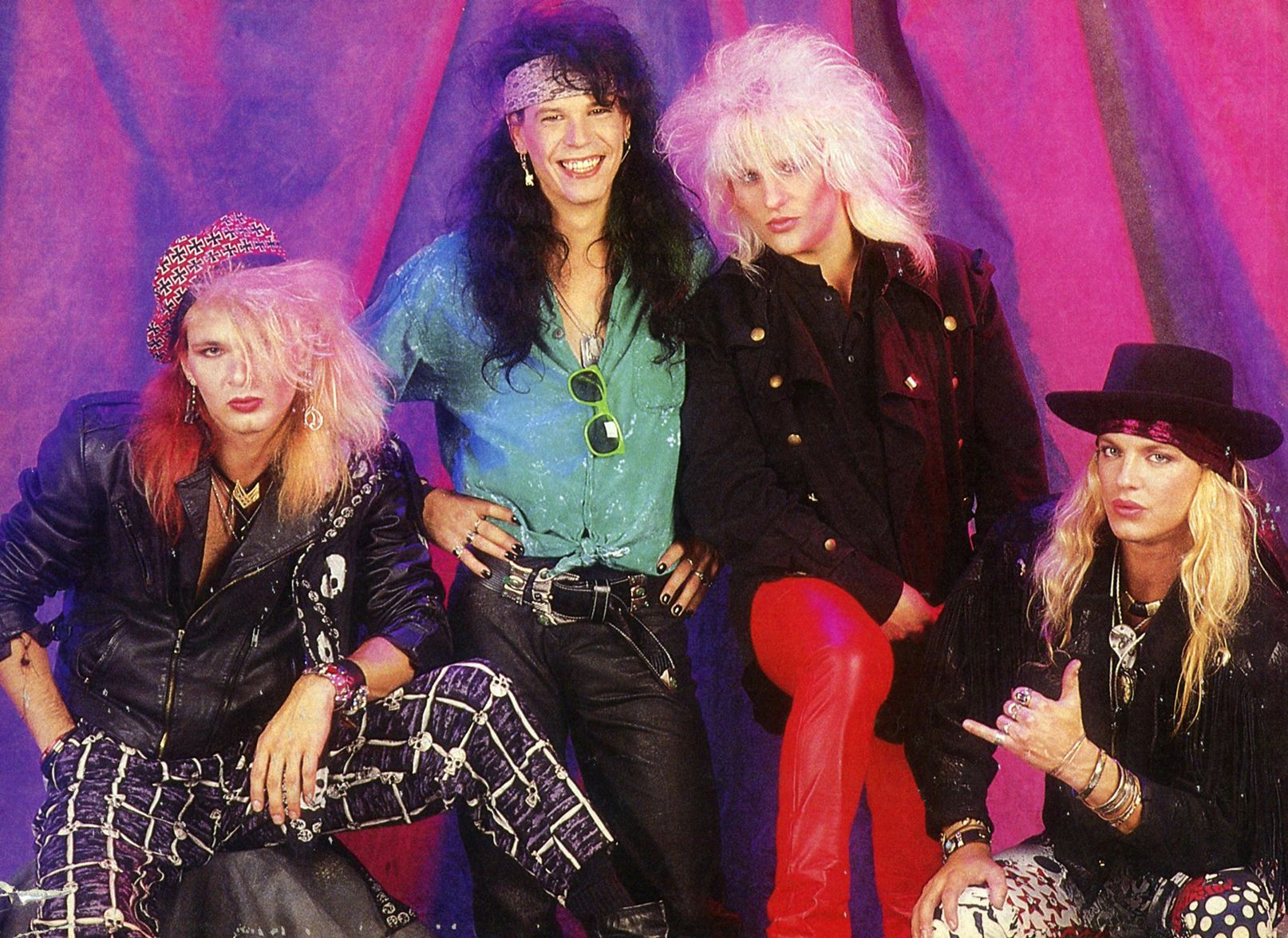
The ultimate hair, glam combo of ‘80s rock
Poison was the undisputed soundtrack to the wildest party on the Sunset Strip. Emerging in the mid-80s with a whirlwind of hairspray, spandex, and neon, Bret Michaels and the boys didn’t just play rock and roll—they lived the cartoonish, high-octane dream of the decade.
While critics often dismissed them as "style over substance," the fans knew better. Their 1986 debut, Look What the Cat Dragged In, was a masterclass in hook-heavy glam metal. It wasn't about complex theory; it was about the anthem. From the rebellious stomp of "Talk Dirty to Me" to the ultimate lighter-in-the-air power ballad, "Every Rose Has Its Thorn," Poison captured the era’s unique blend of bravado and vulnerability.
By the early 90s, they had sold over 40 million records, defining the "Hair Band" aesthetic before the Seattle grunge scene traded glitter for flannel. To remember Poison today is to recall a time when rock was unashamedly fun, loud, and larger than life. They were the poster children for a generation that believed life was better with a guitar solo and a little bit of eyeliner.
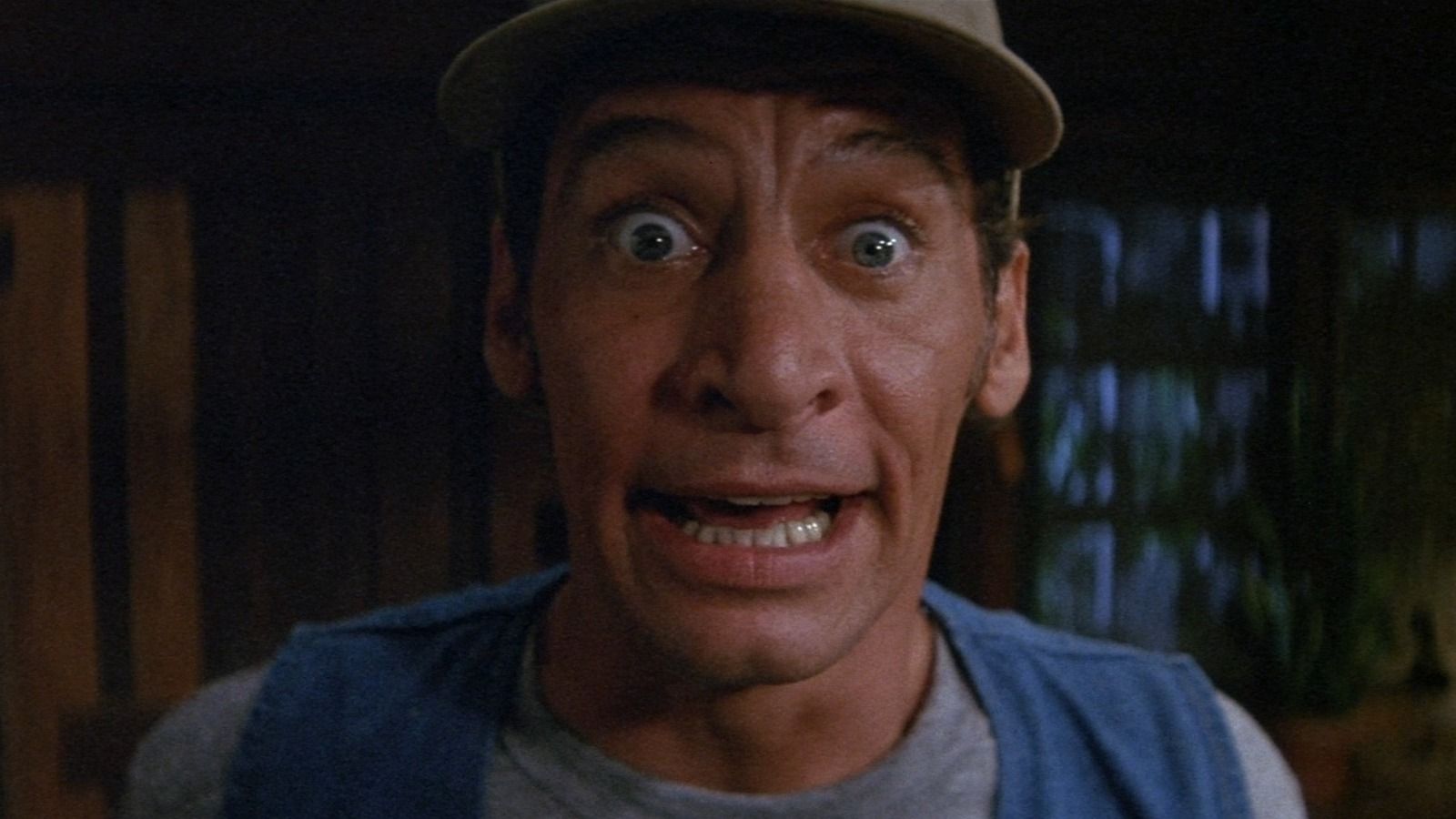
Know What I Mean Vern?
Before the era of viral memes and 15-second TikToks, there was a man with a denim vest, a rubber face, and a neighbor named Vern who never actually appeared on screen. Ernest P. Worrell, the fast-talking, accident-prone creation of Jim Varney, was the unlikely king of 1980s pop culture.
What started as a regional commercial for an amusement park exploded into a national phenomenon. Ernest wasn’t a polished Hollywood hero; he was the lovable, intrusive "know-it-all" next door. Whether he was pitching milk, soda, or cars, his catchphrase—"KnowhutImean, Vern?"—became the pulse of the playground.
By the late '80s, Ernest jumped from the small screen to the silver screen. Ernest Goes to Camp (1987) turned a low-budget comedy into a box-office hit, proving that Varney’s physical comedy had heart. We watched him save Christmas, go to jail, and even battle trolls, all while maintaining an innocent sincerity that felt grounded in a simpler time.
Looking back, our nostalgia for Ernest isn't just about the slapstick; it’s about a specific brand of earnestness (pun intended) that defined the era. He was a reminder that you didn't need to be cool to be a legend—you just needed a hat, a grin, and a whole lot of spirit.
🎧 Retro Picks of the Week
💎Long Lost Musical Gem: "Bad Reputation" is the definitive punk-rock anthem of defiance, serving as Joan Jett’s bold declaration that she refuses to conform to societal expectations or care about her public image. With its raw power chords and snarling vocals, the 1980 track became an enduring symbol of empowerment for outsiders and rebels everywhere.
📺 T.V. Show: "Hawaii Five-O" redefined the police procedural by blending gritty crime-fighting with the exotic, sun-drenched backdrop of the islands and an unforgettable, brass-heavy theme song. Led by the stoic Steve McGarrett, the series became a cultural pillar of justice, immortalized by the iconic command to "Book 'em, Danno."
📼 Movie: The NeverEnding Story is a spellbinding portal into the world of Fantastica, where a young boy named Bastian discovers that his own imagination is the only thing capable of saving a crumbling magical realm from the "Nothing." With its iconic creatures like Falkor the Luck Dragon and its hauntingly beautiful score, the film remains a definitive 1980s masterpiece about the enduring power of hope and storytelling.
🎵 Song: "Fast Car" is a poignant folk-rock masterpiece that captures the bittersweet hope and cycles of poverty through the lens of a couple dreaming of a better life. With its minimalist acoustic riff and Tracy Chapman’s soulful delivery, the song remains a timeless anthem for anyone yearning to escape their circumstances and find a place where they belong.
🕹️ Video Game: Paperboy is a quintessential 1980s arcade classic that turned the mundane neighborhood chore of delivering newspapers into a high-stakes gauntlet of avoiding runaway tires, breakdancing kids, and the occasional Grim Reaper. With its unique diagonal perspective and rewarding physics, the game captured the frantic, addictive spirit of the era's gaming culture.
👾 Cartoon: The Flintstones revolutionized television as the first animated primetime sitcom, cleverly reimagining 1960s suburban life through the lens of a prehistoric "modern Stone Age" family. With Fred’s iconic "Yabba Dabba Doo!" and a world powered by foot-driven cars and dinosaur appliances, the show became an enduring blueprint for family comedies for generations to come.
