- Bite-Sized Nostalgia
- Posts
- Bite-Sized Nostalgia


Remember when the best part of Saturday morning was pouring a giant bowl of cereal and catching your favorite cartoons? We’re trying to recreate that magic right here in your inbox.
If our weekly trips down memory lane bring a smile to your face or a "hey, I remember that!" to your lips, we’d be honored if you’d spread the word. Forward this email to your best friend from high school, your favorite cousin, or anyone who still misses the smell of a freshly opened pack of baseball cards.
This newsletter is a labor of love, and we want it to feel like yours. Whether you’re craving more stories about 8-bit gaming, the neon fashion of the mall, or the mixtapes that defined your summer of '88, drop us a line and let us know. Your memories are the fuel for this time machine.
Thank you for being part of our community and for keeping the spirit of the '80s alive. Now, grab a Tab or a Capri Sun, kick back, and enjoy this week's ride.
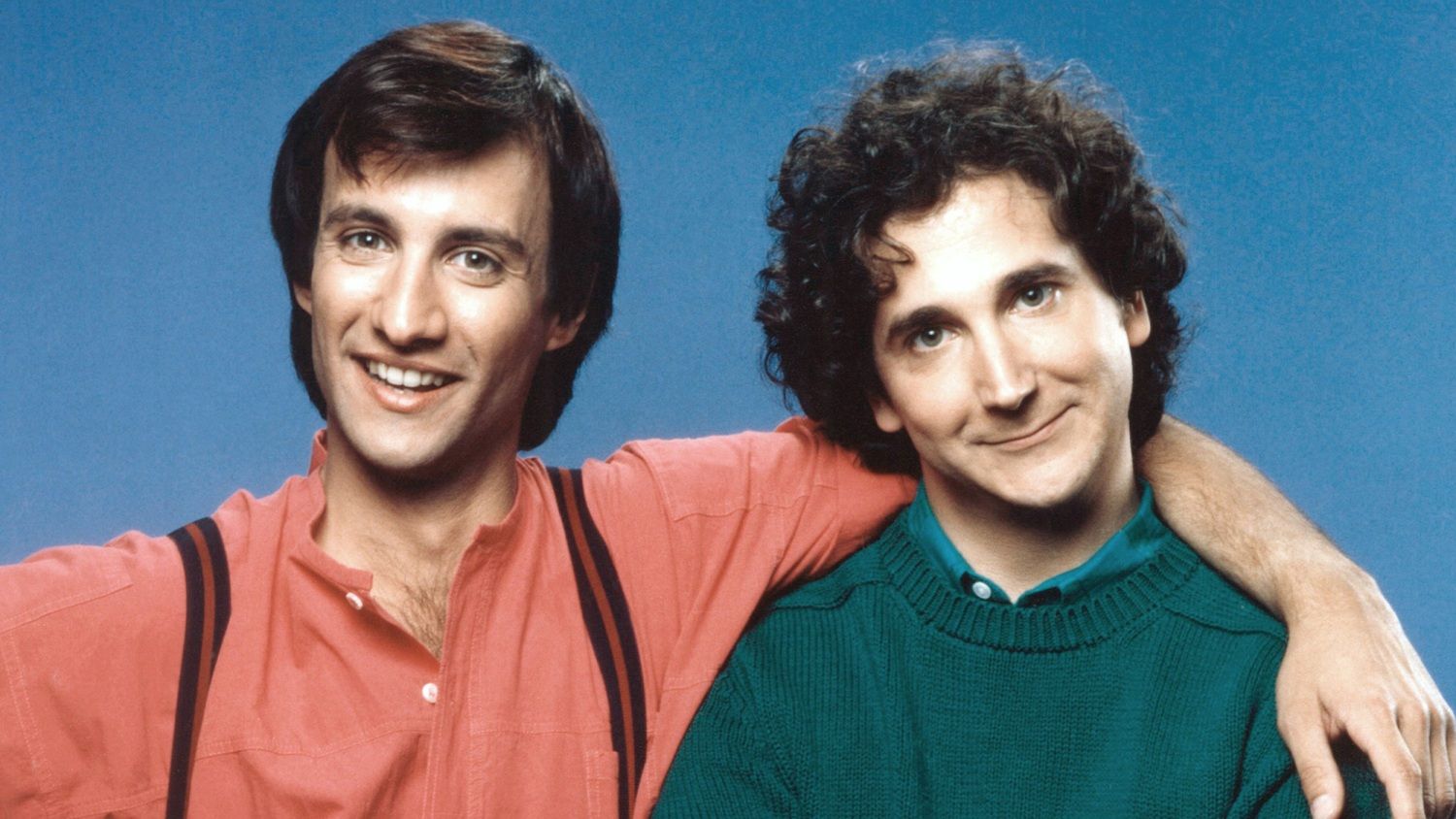
Balki brought a new level of humor to tv screens
In the late 1980s, television found an unlikely heartbeat in a small apartment in Chicago. Perfect Strangers wasn’t just another "odd couple" sitcom; it was a weekly celebration of the American Dream, viewed through the wide, innocent eyes of Balki Bartokomous.
While Larry Appleton provided the cynical, neurotic groundedness typical of the era, Balki—hailing from the fictional island of Mypos—was a revelation. Brilliantly portrayed by Bronson Pinchot, Balki was a cocktail of boundless optimism, physical comedy, and fractured English. He didn't just move; he danced through life with a signature "Dance of Joy" that turned mundane triumphs into exuberant spectacles.
The show’s massive popularity stemmed from this infectious sincerity. In a decade often defined by "greed is good" and edgy sarcasm, Balki was a soft place to land. He was unique because his "fish-out-of-water" tropes weren't rooted in stupidity, but in an unfiltered heart. He misunderstood idioms but understood humanity perfectly, reminding viewers that being a "foreigner" was less about where you were from and more about the courage to embrace the new. Decades later, the show remains a cult classic, proving that kindness—and a well-timed "don't be ridiculous"—is timeless.
«« This Week’s Mini-Rewind ««
🤠 1980: The legendary "A House Divided" episode of Dallas airs, sparking the massive "Who Shot J.R.?" cliffhanger.
🤖 1986: The GoBots hit the big screen with the release of GoBots: Battle of the Rock Lords.
🌾 1982: After nine seasons of tears and triumphs, Little House on the Prairie airs its emotional final episode.
🌮 1962: A fast-food icon is born as the very first Taco Bell opens its doors in Downey, California.
⚔️ 1985: Etheria and Eternia collide in the animated feature He-Man and She-Ra: The Secret of the Sword.
🐥 1970: Big Bird captures hearts with his very first musical performance on Sesame Street.
👮 1984: The hilariously incompetent recruits of Police Academy march into theaters for the first time.
📐 1973: Greg Brady finally gets some privacy by converting the attic into his own bedroom on The Brady Bunch.
🏫 1984: At exactly 7:00 AM, the most famous Saturday detention in history begins at Shermer High School.
🛸 1990: After four seasons of chaos and cat-chasing, the series finale of ALF airs on NBC.
🎤 1988: A young Adam Sandler makes a memorable guest appearance on The Cosby Show.
👯 1986: Cousins Larry and Balki Bartokomous debut in the ABC sitcom Perfect Strangers, beginning an eight-season run.
🌅 1983: Francis Ford Coppola’s star-studded adaptation of The Outsiders premieres in theaters.
🍕 1995: Pizza Hut changes the game forever by introducing the legendary Stuffed Crust Pizza.
⏳ 1973: The long-running daytime drama The Young and the Restless makes its debut on CBS.
👑 1988: "Macho Man" Randy Savage defeats the Million Dollar Man at WrestleMania IV to claim the World Title.
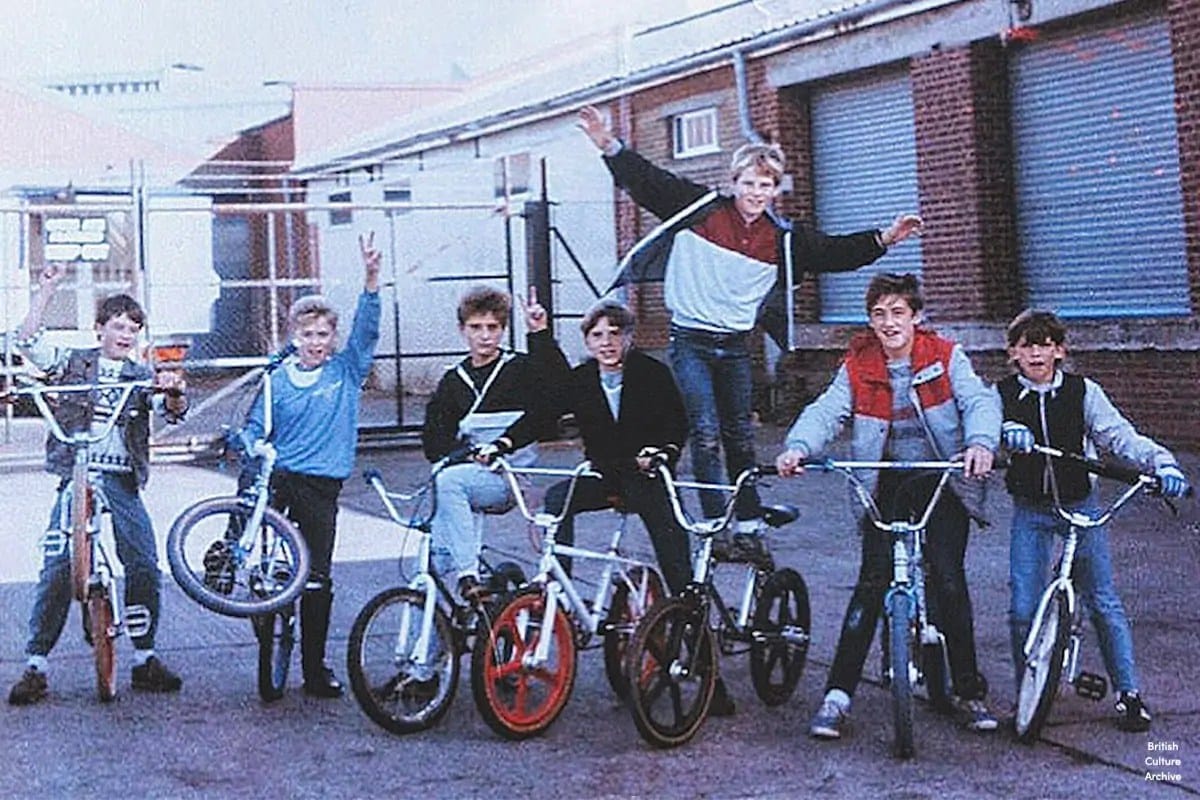
BMX bikes ruled the streets
In the 1980s, the driveway was no longer just a place to park a car—it was a launchpad. The BMX craze swept through suburban neighborhoods like a chrome-plated fever, transforming every curb into a jump and every vacant lot into a dirt track. This wasn't just about cycling; it was about freedom, rebellion, and the thrill of defying gravity on twenty-inch wheels.
At the peak of this cultural wheelie came the 1986 film RAD. While critics at the time didn’t quite "get it," the youth population certainly did. The story of Cru Jones and his quest to conquer "Helltrack" became the definitive gospel for a generation of riders. It didn't just showcase the sport; it romanticized the grit of the local underdog taking on the corporate "factory" riders.
The film’s influence was seismic. It turned "flatland" tricks and "bunny hops" into a universal language. Suddenly, every kid wanted a Mongoose, a GT, or a Haro, and the local theater became a recruitment center for the freestyle movement. RAD captured the synth-heavy, neon-soaked essence of the era, proving that with enough heart (and a killer soundtrack), you could break the ice and fly.
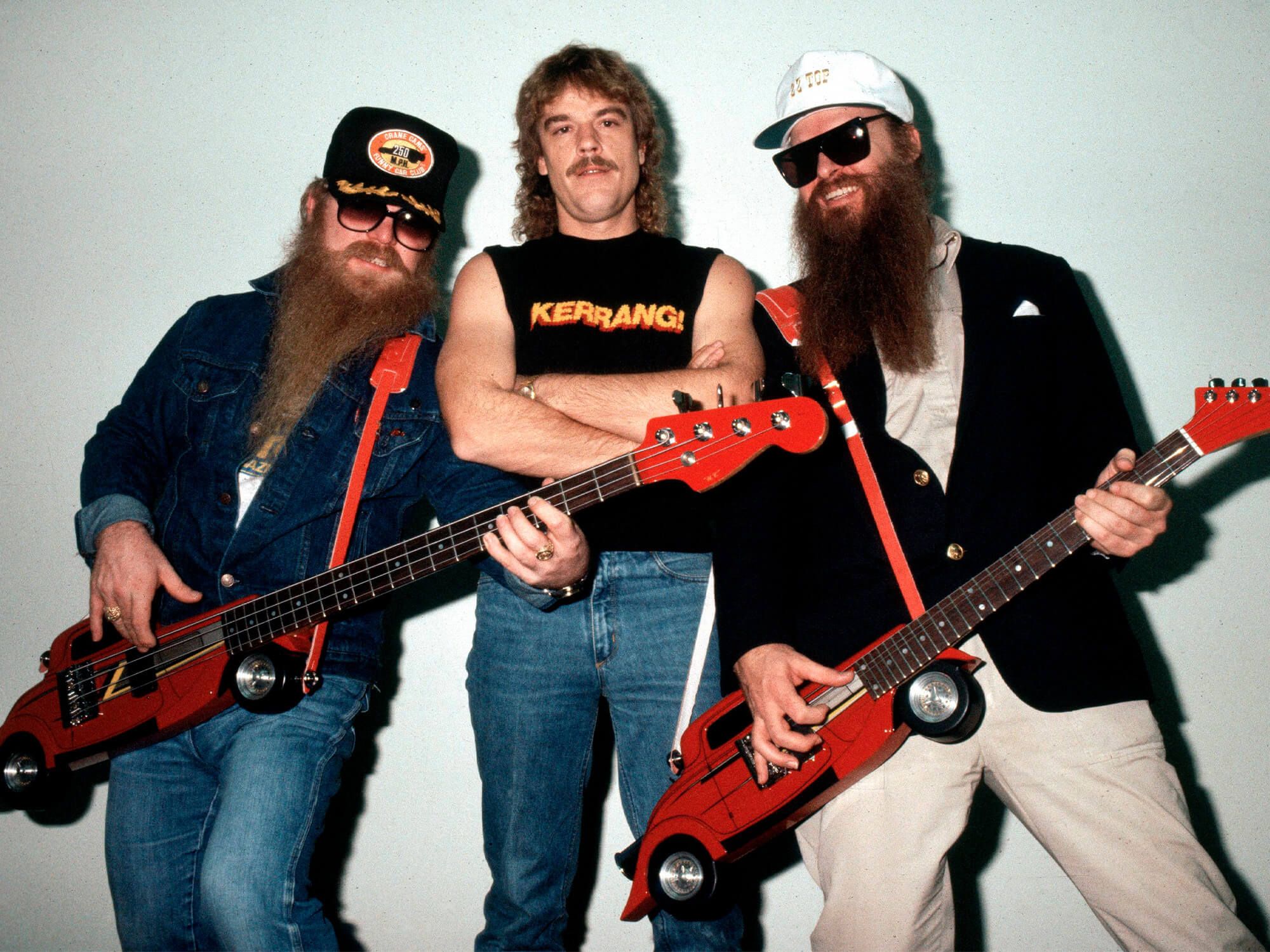
ZZ Top redefined music in the 80s
Before they were the "Little Ol' Band from Texas," ZZ Top was a power trio that bridged the gap between raw Mississippi Delta blues and modern arena rock. Their cultural significance lies in their evolution from 1970s "boogie" icons to the definitive visual mascots of the MTV era.
The 1983 release of Eliminator changed everything. By marrying fuzzy guitar riffs with synthesized beats, Billy Gibbons, Dusty Hill, and Frank Beard created a sound that was both ancient and futuristic. However, it was their visual branding that cemented their place in history. The chest-length beards, cheap sunglasses, and the gleaming 1933 Ford Coupe (The Eliminator) became as recognizable as the Coca-Cola logo. They weren't just musicians; they were characters in a neon-drenched mythos.
ZZ Top’s legacy is their mastery of the "cool." They managed to stay relevant through decades of shifting trends without ever losing their blues-rock soul. They proved that you could be sophisticated enough to win over critics while remaining "greasy" enough to soundtrack every road trip in America. Even after 50 years with the same lineup, the band remains the ultimate symbol of Texan swagger and rock-and-roll endurance.
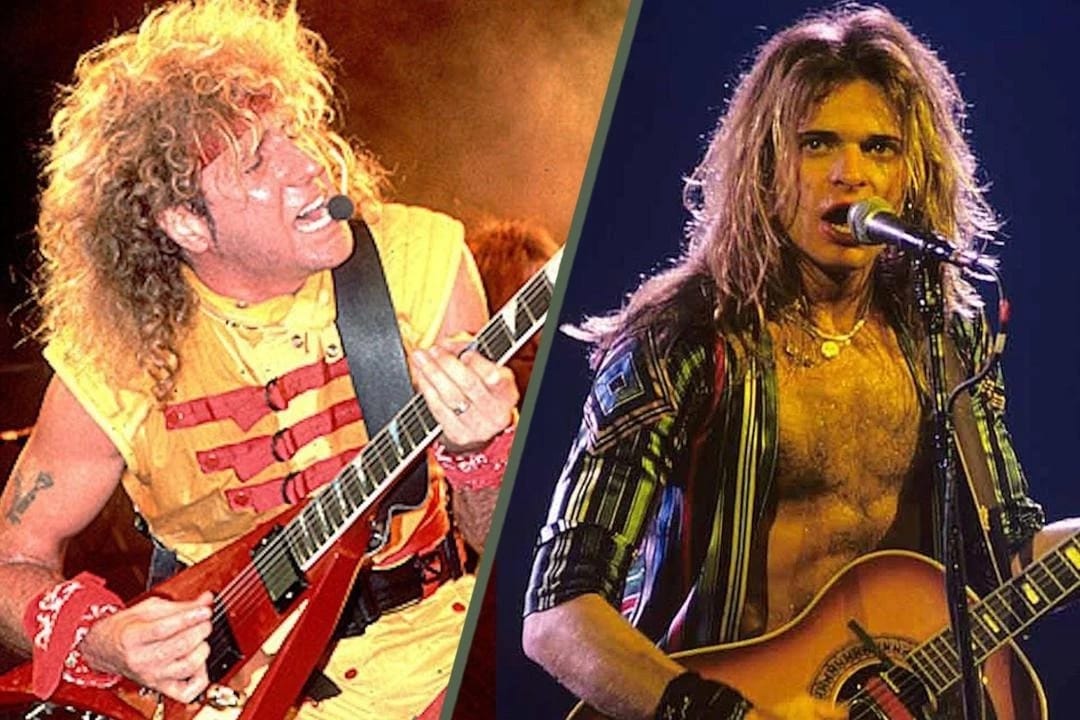
Roth or Hagar? - all up to your taste in music
The debate over David Lee Roth versus Sammy Hagar is the ultimate "Schrödinger’s Cat" of rock and roll: depending on who you ask, Van Halen was either a flamboyant vaudeville act or a polished melodic powerhouse.
The Roth era was defined by pure, unadulterated spectacle. "Diamond Dave" wasn't just a singer; he was a master of ceremonies. With his high-flying splits and rapid-fire banter, he turned Eddie Van Halen’s revolutionary guitar work into a technicolor party. This was the band of 1984, raw and dangerous, fueled by the chemistry of four guys who sounded like they were crashing a stolen car into a five-star hotel.
Then came "Van Hagar." When Sammy Hagar took the mic in 1985, the band underwent a fundamental shift. Sammy brought a disciplined vocal range and a collaborative spirit that allowed the music to evolve into sophisticated, synth-heavy rock. With hits like "Why Can't This Be Love," the band achieved a new level of commercial consistency and musical maturity.
The "who is better" question is ultimately a choice of flavor. Do you want the lightning-in-a-bottle chaos of the early years, or the soaring, professional anthems of the late 80s? Both frontmen cemented the band's legacy, proving that while the singer might change, the genius of the "Brown Sound" was eternal.
🎧 Retro Picks of the Week
💎Long Lost Musical Gem: Released in 1985 on the chart-topping album Centerfield, "Rock and Roll Girls" is a breezy, saxophone-driven anthem that perfectly captures the upbeat essence of John Fogerty's mid-80s comeback. The track remains a nostalgic favorite for its simple, catchy hooks and its celebration of the universal, feel-good spirit of classic rock and roll.
📺 T.V. Show: Premiering in 1995, Sliders followed a brilliant physics student and his companions as they "slid" through interdimensional portals into parallel versions of Earth where history took wildly different turns. The show became a cult favorite for its clever "what if" scenarios, blending high-concept science fiction with the chemistry of its original four travelers.
📼 Movie: Released in 1990, Pretty Woman revitalized the romantic comedy genre by transforming the Pygmalion myth into a modern-day fairy tale set against the backdrop of Beverly Hills. The film's enduring popularity relies on the electric chemistry between Richard Gere and Julia Roberts, whose breakout performance turned a corporate business deal into one of cinema's most iconic love stories.
🎵 Song: Originally released in 1987 as a Christmas single, "It Must Have Been Love" achieved global superstardom after being re-edited for the Pretty Woman soundtrack in 1990. The power ballad became a definitive anthem of the era, showcasing Marie Fredriksson’s soaring vocals and the band's mastery of melancholic, chart-topping pop.
🕹️ Video Game: Released in 1982, Q*bert is a classic arcade title where players navigate a colorful, isometric pyramid to change the color of every cube while dodging iconic enemies like Coily the snake. The game is legendary for its unique pseudo-3D perspective and its protagonist’s hilarious, gibberish-filled "swearing" speech bubbles whenever he loses a life.
👾 Cartoon: Premiering in 1987, ALF: The Animated Series served as a colorful prequel to the live-action sitcom, following the sarcastic alien's zany adventures back on his home planet of Melmac. The show is fondly remembered for its creative world-building and the bizarre, food-obsessed culture of Melmacians long before the planet's unfortunate explosion.
